5 Things You Didn’t Know About Beet Pulp
By Dr. Stephen Duren and Dr. Tania Cubitt, Performance Horse Nutrition and Standlee Premium Western Forage® Nutritional Consultants
What do you know about beet pulp? Maybe you’ve heard of it, but wondered what it is and how it can be used in a horse’s diet? Here are five things you may not have known about beet pulp.
-
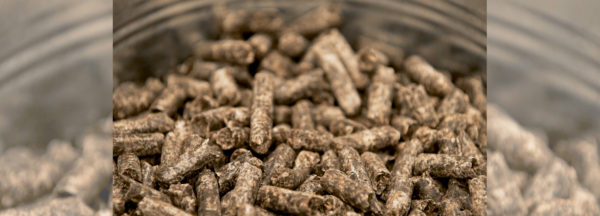
- Beet pulp is a byproduct from the processing of sugar beets which is used as a fiber source for horses. Beet pulp is the highly digestible fibrous material left over after the sugar is extracted from the sugar beets. It can be in several forms, dried flakes or shreds, or as compressed pellets.
- Beet pulp in horse nutrition is of interest because of its high content of well fermentable fiber, relatively low protein content and good palatability. Lewis (1995) recommended beet pulp as a substitute for hay in rations for horses with respiratory problems. Crandell and colleagues (1999) mentioned that feeding beet pulp can be beneficial for horses having difficulty maintaining body condition and for horses ingesting insufficient fiber with conventional sources like hay. Meyer (1987) suggested that beet pulp would be a good feed component for working horses, in general. Feeding high fiber feeds like quality forage and beet pulp can also help maintain hydration. Beet pulp also provides a reasonable source of calcium, intermediate between the high calcium in alfalfa and the lower calcium content of grass hays, but much higher than grains.
- The protein content of beet pulp is relatively low, so that replacement of grains or hay by beet pulp lowers protein intake; thus, beet pulp feeding can be applied to diminish protein intake while maintaining energy intake. A high protein intake and, thus, a high nitrogen workload, is detrimental in horses with liver or kidney disease (Lewis, 1995); therefore, beet pulp can be used to provide calories and fiber without excess protein.
- Beet pulp can be used in the diet to increase water intake. Research has shown diets high in beet pulp significantly increased water intake and decreased body weight losses after intense exercise compared to horses eating a high grain, low fiber diet (Warren et al., 1999).
- Beet pulp is considered a prebiotic, which acts as a food source for your horse’s gut microbes. Prebiotics are ingredients that promote the health and growth of microorganisms already living in your horse’s digestive tract. The hindgut microbiome is critical to the overall health and well-being of horses (Moore-Colyer, 2002).
Want to learn more about how beet pulp is beneficial for horses? Check out this webinar recording titled, “Beet Pulp – What Is It and Why Do Horses Need It?”, for more information on the following:
-
- History
- What is beet pulp?
- How do you feed it?
- How do you balance it when fed with other forage and feeds?
- Why is it beneficial for equine diets?
- How does beet pulp affect carb sensitive horses?
References:
- Crandell, K. G.; Pagan, J. D.; Harris, P.; Duren, S. E., 1999: Equine Vet. J. Suppl. 30, 485.
- Lewis, L.D., 1995; Equine Clinical Nutrition. pp. 128-129
- Meyer, H., 1987: Nutrition of the Equine Athlete. Equine Exercise Physiology 2, Davis, CA. pp. 644.
- Warren, L.K., L.M. Lawrence, T. Brewster, D.M. Powell. 1999. Equine Exercise Physiology 5. pp. 503
- Moore-Colyer, M.J.S., J.J. Hyslop, A.C. Longland, and D. Cuddeford. 2002. British Journal of Nutrition 88:729-740.
