Training Tip: Turnout Makes for Healthier Horses
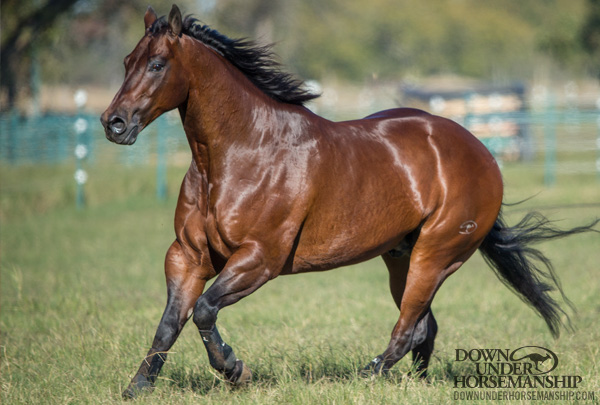
Horses are a herd animal and their bodies are designed to be on the move. I try to keep my horses on turnout as much as I possibly can. It’s the best thing for them because they don’t develop bad habits and they’re just happier in general. The more you put a horse in a confined area and don’t give him the opportunity to socialize with other horses and interact with them like he normally would in a herd environment, the horse has to find a way to deal with that stress. A lot of horses deal with that stress by developing stall vices–weaving, cribbing, stall walking, pawing, etc.–to stimulate their brain.
In a perfect world, we would all have 40 acres for our horses to run across, but the world isn’t perfect. You may live in the city or be at a boarding facility where turnout isn’t an option. If that’s the case, try to have stalls that are open on at least two sides so that horses can see and touch each other. You’ll find that open stalls will help to keep the horses content and their anxiety and stress down because horses are a herd animal–they’re meant to be running around, interacting with one another. When we isolate them, we add stress to their lives. If they can see and touch each other while they’re stalled, it makes a big difference to them emotionally.
