Choosing a Halter for a Cob-Sized Horse
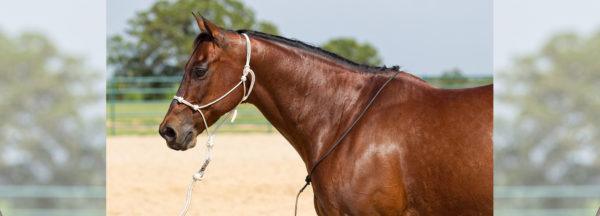
With eight sizes available, the Downunder Horsemanship Halter fits horses of all breeds and conformation types, including cobs. While the term “cob” is most commonly used in the U.K., you may see cob-sized bridles and halters at tack stores in North America and other parts of the world. Cob simply refers to a type of horse – one that’s of thick build and generally resembles a large pony. While these horses are larger than a pony, they’re smaller than an average horse, which is why cob-sized tack exists.
Downunder Horsemanship doesn’t specifically produce cob-sized rope halters, but our available sizes make it easy to find a good-fitting halter for a cob. To find the correct halter size for your horse, follow our halter-sizing guide. The guide will step you through the process of measuring your horse and selecting the right halter. Like any piece of training equipment, the halter’s effectiveness is directly related to how well it fits your equine.
If you need help selecting the correct halter or have questions about the sizing-guide, reach out to our customer service representatives. You can connect with them Monday through Friday, 8 a.m. to 5 p.m. CST at 888-287-7432 or [email protected].
