Training Tip: My Training Bit of Choice
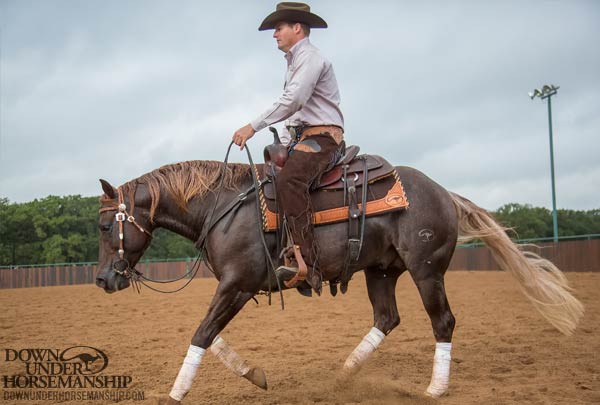
When it comes to training a horse, there is no better type of bit than a snaffle. Snaffle bits are direct pressure bits, meaning that they apply pressure directly to the horse’s mouth. The reins attach directly to and are level with the mouthpiece of the bit. A snaffle bit applies pressure to the horse’s lips, tongue and bars (his gums and jaw bone). However much pressure a rider applies to the reins is the exact amount of pressure the horse feels in his mouth. So if a rider applies three pounds of pressure, the horse will feel three pounds of pressure.
Because of their design, snaffle bits are meant to encourage lateral flexion. Lateral flexion, being able to flex the horse’s head from side to side, is key to vertical flexion and collection. That’s why I start all horses in snaffle bits. The softer you can get your horse from side to side, the softer he’ll be vertically.
In fact, unless I’m planning to show a horse (in most breed classes and performance events, such as reining, you have to ride your horse one-handed in a shank bit), I never take him out of a snaffle bit.
