Training Tip: Treats Should be a Surprise
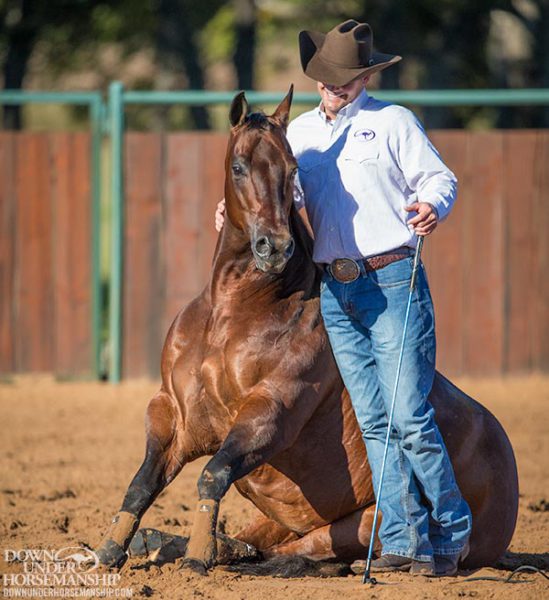
One of the most important rules of feeding treats to your horse is that you should never give a horse a treat when he’s expecting it. Whenever I give one of my horses a treat, I want it to be a surprise. I want him to think, “OMG! For ME?” Most people are very predictable about giving treats. They give them at the same time every day and the horse comes to expect them. Once the horse starts expecting them, he’ll usually start exhibiting pushy behavior to demand the treats, such as pushing into you, biting, being mouthy, etc. So at that point, the whole concept of the treat has been lost.
If one of our horses is looking for a treat, even a little bit, he doesn’t get one. Marty, one of our horses at the ranch, is a very personable and mouthy horse by nature. Most of the time, we’re only able to give him one treat a week because it takes that long to get it completely off his mind. If we gave him a treat every day or more than once a day, he’d practically maul us looking for it. On the other hand, we could give Diez a dozen treats a day without him expecting them because he doesn’t go looking for treats. Each horse is going to be different.
